Ghana’s Commonwealth Games Journey: A Legacy of Excellence from 1954 to 2026
Posted by Enoch Nyamson
13 hours ago
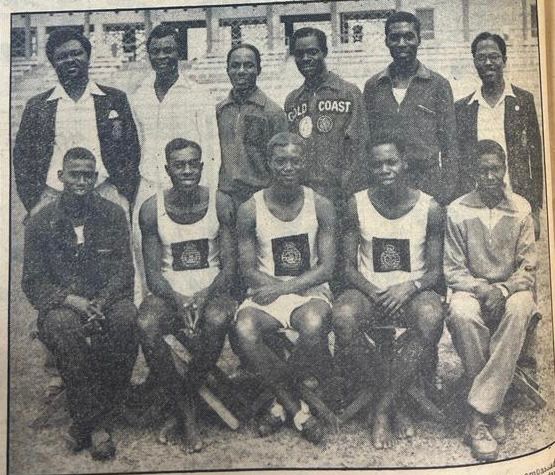
Ghana’s history with the Commonwealth Games is a remarkable story of growth, resilience and sporting excellence. The country, then known as the Gold Coast, made its first appearance at the Games in 1954 before gaining independence in 1957. Since then, Ghana has become one of Africa’s most respected nations in the competition, producing outstanding performances, particularly in boxing, athletics and weightlifting.
The first Commonwealth Games took place in 1930 in Hamilton, Canada. At the time, Ghana was still the Gold Coast and was under British colonial rule. The country did not participate in the early editions of the Games, which were held in 1934 in London, England, 1938 in Sydney, Australia, and 1950 in Auckland, New Zealand. During this period, sporting structures in the Gold Coast were still developing, and the nation had not yet gained independence.
Ghana’s Commonwealth Games journey officially began at the 1954 British Empire and Commonwealth Games in Vancouver, Canada. The Gold Coast participated for the first time, sending athletes to compete against nations from across the Commonwealth. Although the team did not win a medal, the participation was an important milestone because it introduced Ghanaian athletes to international competition and created the foundation for future success.
At the 1958 British Empire and Commonwealth Games in Cardiff, Wales, Ghana achieved its first Commonwealth Games medal. High jumper Robert Kotei made history by winning a bronze medal in the men’s high jump competition. His achievement marked Ghana’s arrival as a competitive sporting nation and inspired many young athletes to pursue excellence in international sports.
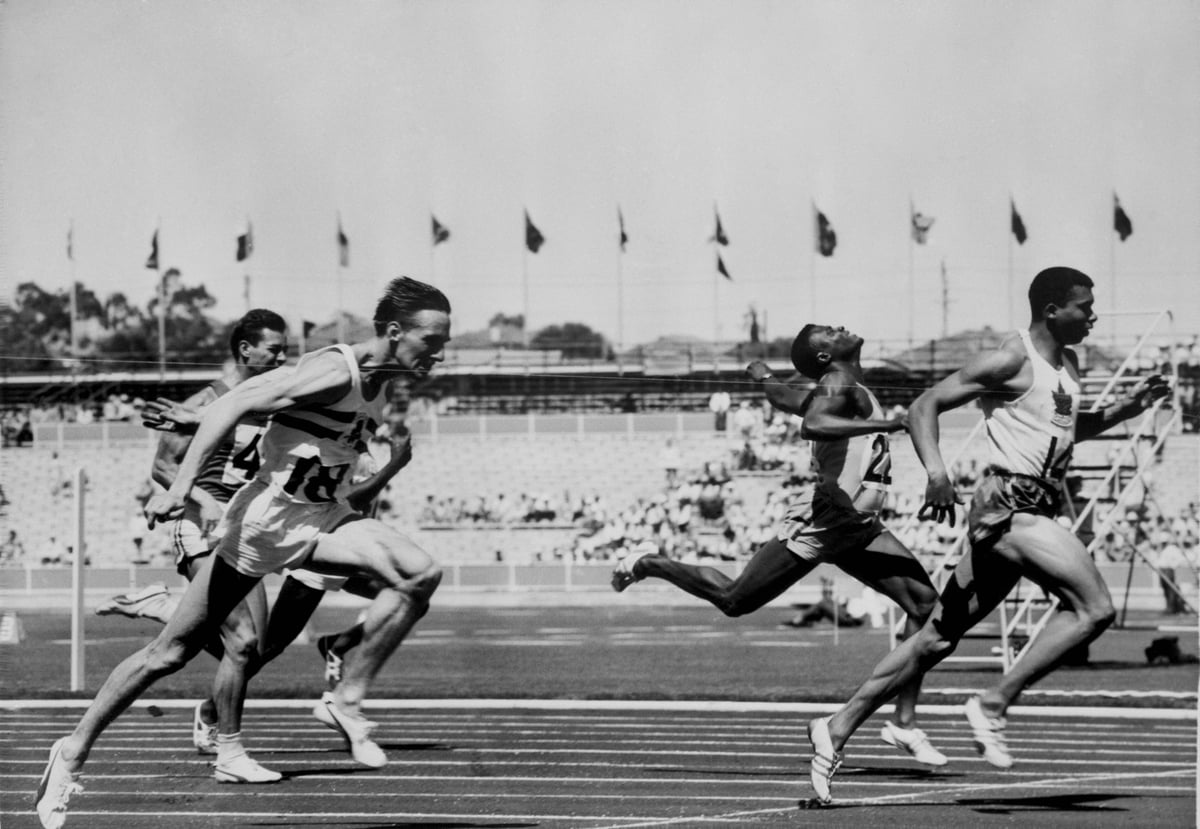
The 1962 Commonwealth Games in Perth, Australia became a turning point in Ghana’s sporting history. The country participated as an independent nation after gaining independence on March 6, 1957. Ghana produced an impressive performance, winning nine medals, including three gold medals, five silver medals and one bronze medal. Athletics and boxing became Ghana’s strongest areas, establishing a tradition that would continue for decades.
The 1966 British Empire and Commonwealth Games in Kingston, Jamaica remains one of Ghana’s most successful appearances at the Games. Ghana won nine medals, including five gold medals, two silver medals and two bronze medals. The country’s boxing team was particularly outstanding, helping Ghana gain recognition as one of the strongest boxing nations within the Commonwealth.
At the 1970 British Commonwealth Games in Edinburgh, Scotland, Ghana continued its success by winning two gold medals, three silver medals and two bronze medals. Ghanaian athletes maintained their strong performances in athletics and boxing, proving that the country could compete with some of the world’s leading sporting nations.
The 1974 British Commonwealth Games in Christchurch, New Zealand, saw Ghana record another strong performance. The country won one gold medal, three silver medals and five bronze medals. Ghana’s consistent medal performances during the 1960s and 1970s demonstrated the strength of its sporting programmes and the talent of its athletes.
The 1978 Commonwealth Games in Edmonton, Canada, marked a new chapter in the history of the competition as it officially adopted the name Commonwealth Games. Ghana won one gold medal, one silver medal and one bronze medal at the event, continuing its tradition of success.
The 1982 Commonwealth Games in Brisbane, Australia, was a challenging competition for Ghana. Although the country participated, it did not win a medal. However, Ghana remained committed to developing athletes and maintaining its presence on the international stage.
In 1986, Ghana did not participate in the Commonwealth Games held in Edinburgh, Scotland. The country joined several African nations in boycotting the event because of concerns surrounding sporting relations with apartheid South Africa. This remains the only edition of the Commonwealth Games Ghana has missed since making its debut in 1954.
Ghana returned to the Commonwealth Games at the 1990 edition in Auckland, New Zealand, winning two silver medals. The return marked a new beginning for Ghanaian sports and demonstrated the country’s continued commitment to international competition.
At the 1994 Commonwealth Games in Victoria, Canada, Ghana won two bronze medals. Four years later, at the 1998 Commonwealth Games in Kuala Lumpur, Malaysia, Ghana enjoyed another successful campaign, winning one gold medal, one silver medal and three bronze medals. The Kuala Lumpur Games were significant because they were the first Commonwealth Games held in Asia.
The 2002 Commonwealth Games in Manchester, England, saw Ghana win one bronze medal. Although the medal count was lower, the competition provided valuable experience for Ghana’s emerging athletes.
At the 2006 Commonwealth Games in Melbourne, Australia, Ghana recorded another strong performance by winning two gold medals and one bronze medal. Boxing and weightlifting remained key sports that contributed to Ghana’s success.
The 2010 Commonwealth Games in Delhi, India, saw Ghana win one silver medal and three bronze medals. Ghanaian athletes continued to compete strongly in boxing, athletics and weightlifting.
The 2014 Commonwealth Games in Glasgow, Scotland, produced two bronze medals for Ghana. The country continued to develop athletes and expand its participation across different sporting disciplines.
At the 2018 Commonwealth Games in Gold Coast, Australia, Ghana competed against some of the world’s best athletes and continued to showcase its sporting ability. The Games provided another opportunity for Ghanaian athletes to gain international exposure and experience.
The 2022 Commonwealth Games in Birmingham, England, marked another important chapter in Ghana’s history. Ghana won five medals, including two silver medals and three bronze medals. The achievements highlighted the continued strength of Ghanaian athletes, especially in boxing and other competitive sports.
The 2026 Commonwealth Games in Glasgow, Scotland, represents another opportunity for Ghana to continue its proud tradition. Ghana is expected to compete in various sporting disciplines, including boxing, athletics, weightlifting, cycling, swimming, judo and para-sports. The country enters the competition with hopes of adding more medals to its historic record and inspiring the next generation of athletes.
Over the years, Ghana has built a strong Commonwealth Games legacy. The country’s greatest successes have come from boxing, which remains its most successful sport at the Games. Ghana has produced several outstanding boxers who have won medals and gained international recognition. Athletics has also played an important role, beginning with Robert Kotei’s historic medal in 1958, while weightlifting and para-sports continue to provide opportunities for Ghanaian athletes to compete at the highest level.
Ghana’s Commonwealth Games journey is more than just a record of medals. It represents the country’s history, determination and commitment to excellence. From the Gold Coast’s first appearance in Vancouver in 1954 to the Glasgow 2026 Games, Ghanaian athletes have carried the national flag with pride across the world.
The Commonwealth Games has provided Ghana with a platform to showcase its talent, promote national unity and inspire future generations. Through decades of victories, challenges and unforgettable performances, Ghana remains an important part of the Commonwealth sporting family and continues to prove that its athletes can compete and succeed on the global stage.
Tags
Commonwealth Games
Ghana
Featured News

Category
Tourism & Diaspora
Sports
News
Music
International News
Health Tips
Events
Entertainment & Arts
Editorial
Culture & Tradition
Business & Tech
Have Any Question?
If you have any questions, feel free to contact us:
031 229 5629
info@twradiogh.com