From Hamilton to Glasgow: The Complete History of the Commonwealth Games (1930–2026)
Posted by Enoch Nyamson
14 hours ago
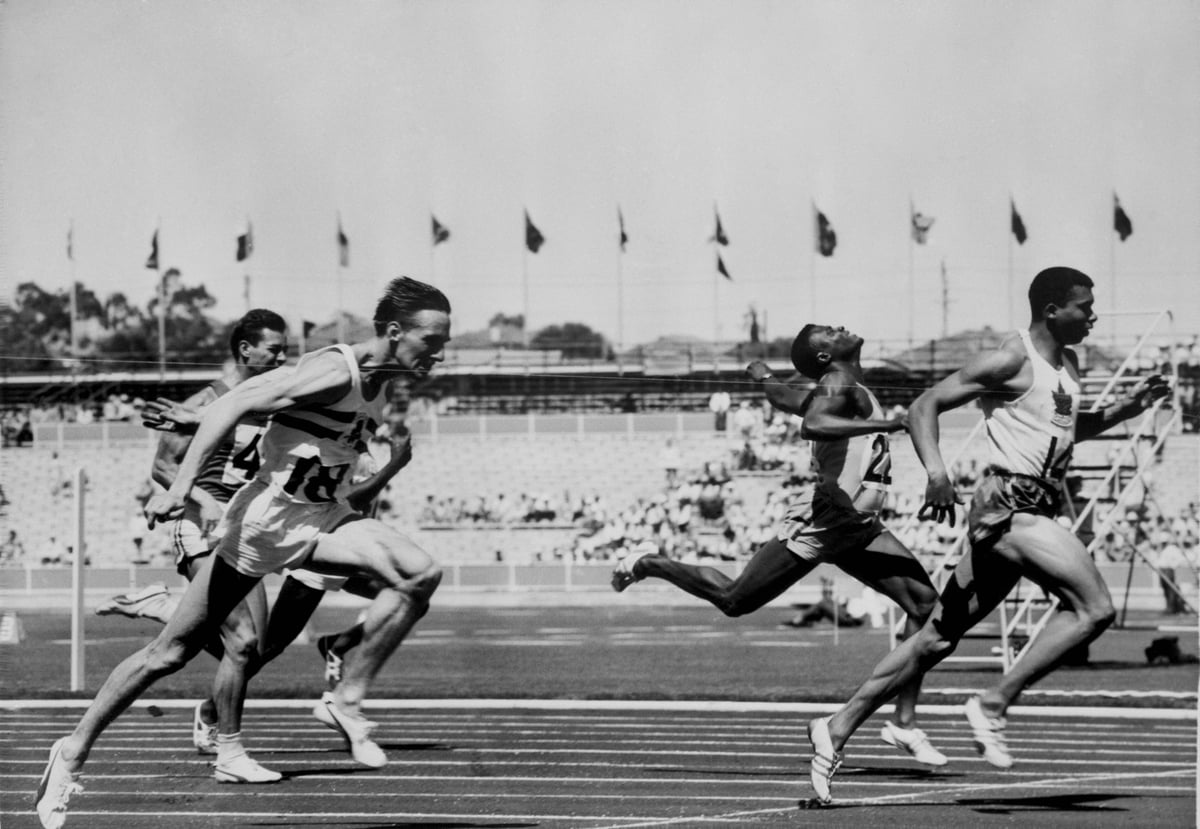
The Commonwealth Games is one of the world's most celebrated international multi-sport events, bringing together athletes from countries and territories across the Commonwealth of Nations. Known for promoting friendship, unity, and sporting excellence, the Games have grown from a modest competition involving a handful of nations into one of the largest sporting events in the world.
The origins of the Commonwealth Games can be traced back to the late 19th century when the idea of a sporting festival for members of the British Empire was first proposed. The vision was to strengthen ties among nations through friendly sporting competition. This vision became a reality in 1930 when the first edition of the Games was organized in Hamilton, Ontario, Canada.
The British Empire Games Era (1930–1950)
The inaugural Games, known as the British Empire Games, were held in Hamilton, Canada, from August 16 to August 23, 1930. Eleven nations participated, including Canada, England, Australia, New Zealand, South Africa, Ireland, Bermuda, British Guiana, Newfoundland, Northern Ireland, and Scotland. Approximately 400 athletes competed in six sports: athletics, boxing, lawn bowls, rowing, swimming, and wrestling.
The success of the inaugural Games established a tradition that would continue every four years. The second edition was held in London, England, in 1934, featuring increased participation and a broader range of sporting events. Four years later, Sydney, Australia, hosted the 1938 Games, becoming the first city in the Southern Hemisphere to stage the competition.
The outbreak of the Second World War disrupted the Games schedule. As a result, the planned editions of 1942 and 1946 were cancelled. The Games eventually resumed in 1950 in Auckland, New Zealand, marking a return to international sporting cooperation after the devastation of the war.
The British Empire and Commonwealth Games Era (1954–1966)
By the early 1950s, many countries within the British Empire had gained independence, leading to the emergence of the modern Commonwealth. To reflect this transformation, the Games were renamed the British Empire and Commonwealth Games beginning with the 1954 edition in Vancouver, Canada.
The Vancouver Games became famous for the legendary "Miracle Mile" race between England's Roger Bannister and Australia's John Landy, two of the world's greatest middle-distance runners.
The 1958 Games were held in Cardiff, Wales, making Cardiff the first Welsh city to host the event. This edition also introduced the Queen's Baton Relay, a tradition that continues today. The relay involves carrying a baton bearing a message from the Head of the Commonwealth to the opening ceremony.
Perth, Australia, hosted the Games in 1962, followed by Kingston, Jamaica, in 1966. The Kingston Games were historic because they marked the first time the event was held in the Caribbean, highlighting the growing diversity of the Commonwealth family.
The British Commonwealth Games Era (1970–1974)
The Games underwent another name change in 1970, becoming the British Commonwealth Games. This reflected the continued evolution of the Commonwealth from a colonial empire into a voluntary association of independent nations.
Edinburgh, Scotland, hosted the 1970 Games, which became known for their friendly atmosphere and excellent organization. Four years later, Christchurch, New Zealand, hosted the 1974 edition. These Games were notable for their advanced television broadcasting technology, allowing millions of viewers around the world to follow the action.
The Commonwealth Games Era (1978–Present)
In 1978, the event officially adopted its current title, the Commonwealth Games. The first Games under this name were held in Edmonton, Canada. The new title reflected the modern identity of the Commonwealth and emphasized equality among member nations.
The Games continued to expand throughout the 1980s and 1990s. Brisbane, Australia, hosted the 1982 edition, while Edinburgh hosted again in 1986. Auckland welcomed the Games for a second time in 1990, followed by Victoria, Canada, in 1994.
A major milestone was reached in 1998 when Kuala Lumpur, Malaysia, became the first Asian city to host the Commonwealth Games. This edition also introduced several team sports, including cricket, hockey, netball, and rugby sevens, significantly increasing the event's popularity and global appeal.
Entering the New Millennium
The Manchester 2002 Commonwealth Games in England were widely praised for their world-class facilities, enthusiastic crowds, and exceptional organization. Many observers considered them among the best Commonwealth Games ever staged.
Melbourne, Australia, hosted the Games in 2006, followed by Delhi, India, in 2010. Delhi became only the second Asian host city in the history of the Games and showcased India's growing influence in international sport.
In 2014, Glasgow, Scotland, hosted one of the most successful editions in Commonwealth Games history. The event received widespread acclaim for its organization, volunteer support, and passionate spectators.
The 2018 Games were held on Australia's Gold Coast. These Games featured one of the largest integrated Para-sport programmes ever seen at a major multi-sport event, reinforcing the Commonwealth Games' commitment to inclusion and equality.
Birmingham 2022
The 2022 Commonwealth Games were held in Birmingham, England. More than 5,000 athletes from 72 nations and territories competed across numerous sports. The Games celebrated diversity, inclusion, and youth participation while providing a platform for world-class athletic performances.
Birmingham 2022 was particularly notable for its vibrant cultural celebrations and strong focus on community engagement, leaving a lasting legacy for the city and the wider Commonwealth.
Glasgow 2026
The 2026 Commonwealth Games represent another significant chapter in the history of the movement. Glasgow, Scotland, became the first city in the modern era to host the Games twice, having previously hosted in 2014.
After the Australian state of Victoria withdrew from hosting due to rising costs, Glasgow stepped in to ensure the continuation of the Games. The 2026 edition features athletes from 74 Commonwealth Games Associations competing across multiple sports and Para-sports.
Despite being a more streamlined event than previous editions, Glasgow 2026 demonstrates the resilience, adaptability, and enduring importance of the Commonwealth Games as a symbol of international friendship and sporting excellence.
Official Names of the Games Through History
1930–1950: British Empire Games
1954–1966: British Empire and Commonwealth Games
1970–1974: British Commonwealth Games
1978–2026: Commonwealth Games
Host Cities of the Commonwealth Games (1930–2026)
- 1930 – Hamilton, Canada
- 1934 – London, England
- 1938 – Sydney, Australia
- 1950 – Auckland, New Zealand
- 1954 – Vancouver, Canada
- 1958 – Cardiff, Wales
- 1962 – Perth, Australia
- 1966 – Kingston, Jamaica
- 1970 – Edinburgh, Scotland
- 1974 – Christchurch, New Zealand
- 1978 – Edmonton, Canada
- 1982 – Brisbane, Australia
- 1986 – Edinburgh, Scotland
- 1990 – Auckland, New Zealand
- 1994 – Victoria, Canada
- 1998 – Kuala Lumpur, Malaysia
- 2002 – Manchester, England
- 2006 – Melbourne, Australia
- 2010 – Delhi, India
- 2014 – Glasgow, Scotland
- 2018 – Gold Coast, Australia
- 2022 – Birmingham, England
- 2026 – Glasgow, Scotland
Over nearly a century, the Commonwealth Games have evolved from the British Empire Games into a global sporting festival that celebrates unity in diversity. The Games have survived wars, political changes, and economic challenges while continuing to inspire athletes and audiences around the world. Today, the Commonwealth Games remain a powerful symbol of friendship, excellence, and cooperation among the nations and peoples of the Commonwealth.
Tags
Commonwealth Games
Featured News

Category
Tourism & Diaspora
Sports
News
Music
International News
Health Tips
Events
Entertainment & Arts
Editorial
Culture & Tradition
Business & Tech
Have Any Question?
If you have any questions, feel free to contact us:
031 229 5629
info@twradiogh.com