G. E. Ferguson: The African Surveyor Who Helped Dismantle Slave Raiding in the Gold Coast
Posted by Enoch Nyamson
12 hours ago
African History Diaries
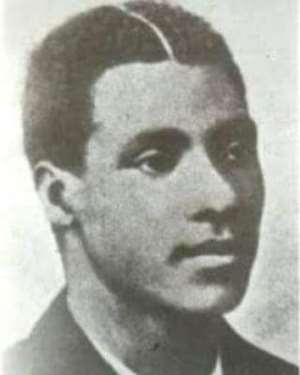
When discussions about ending the slave trade in the Gold Coast come up, most people focus on European abolitionists or British laws. But one key figure often overlooked is George Ekem Ferguson, an African officer who played a crucial role in extending anti-slavery control into the interior.
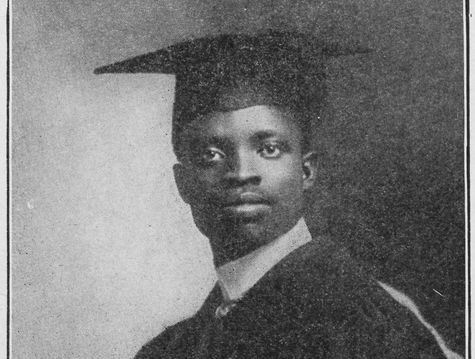
Born in 1864 in the Gold Coast, Ferguson was of mixed Fante and Scottish heritage. He was educated at the respected Wesleyan High School in Cape Coast, which prepared many early African elites for leadership roles. His education and bilingual ability gave him a rare advantage. He understood both British administrative systems and local political structures.
By the time Ferguson entered public service, the British had already abolished the transatlantic slave trade in 1807. However, that did not immediately end slavery within the Gold Coast or the wider West African interior. Slave raiding, forced labor, and domestic servitude still existed in certain regions, especially where political instability made communities vulnerable.
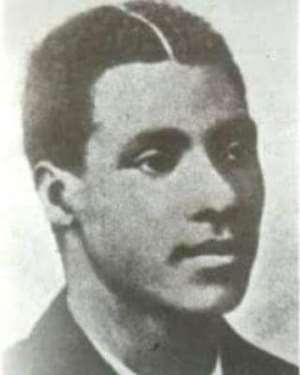
Ferguson became a government surveyor and later a political officer. His main task was to travel into the interior, map territories, and negotiate treaties with chiefs. These treaties were not just about expanding British protection. They were also tools to reduce conflict, stop slave raiding, and bring regions under a system of administration that discouraged human trafficking.
In many parts of the interior, wars between states had long fueled the capture and sale of people. Some captives were sold north across the Sahara, others south toward the coast. Ferguson’s diplomatic missions sought to stabilize these regions by placing them under British protection. Once a chief signed a treaty, the British could legally intervene in disputes, restrict slave raiding, and enforce new laws.
His work required courage. Traveling through unfamiliar territories was dangerous. He often negotiated with powerful rulers who were suspicious of British intentions. But as an African officer, Ferguson had a level of cultural understanding that European officers often lacked. He could communicate directly, build trust, and explain policies in ways that reduced resistance.
Ferguson was also involved in efforts to secure trade routes that had been disrupted by slave raiders and armed groups. Stability meant safer movement of goods and people, which gradually shifted the economy away from human trafficking toward legitimate trade in agricultural produce and other commodities.
However, his legacy is complex. While he helped weaken slave-raiding networks, his work also strengthened British colonial expansion. The treaties he negotiated laid the foundation for the formal declaration of the Gold Coast Colony and later the Northern Territories Protectorate. In helping to suppress slavery, he also helped entrench imperial rule.
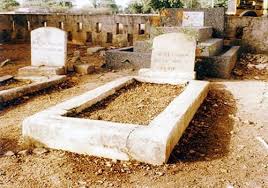
In 1897, Ferguson died during a military expedition in the northern territories of the Gold Coast. His death marked the end of a brief but impactful career. Today, he is remembered as one of the earliest African civil servants who combined diplomacy, surveying, and military service in shaping the region’s political future.
G. E. Ferguson’s story reminds us that African history is not simply about Europeans acting and Africans reacting. Africans like Ferguson were active participants in the transformation of their society. He stood at the crossroads of abolition and empire, fighting slave raiding while helping build a new colonial order that would define the Gold Coast for decades.
African History Diaries continues to uncover these layered stories, where heroes are not always simple, and history is never one-sided.
Tags
G. E. Ferguson
Black history Month
Gold Coast
Featured News
15 hours ago
Category
Tourism & Diaspora
Sports
News
Music
International News
Entertainment & Arts
Editorial
Culture & Tradition
Business & Tech
Have Any Question?
If you have any questions, feel free to contact us:
031 229 5629
info@twradiogh.com