CAPE COAST NORTH: BEYOND THE EKON DEBATE, TOWARDS PROPER PLANNING
Posted by TWR Publications
1 month ago
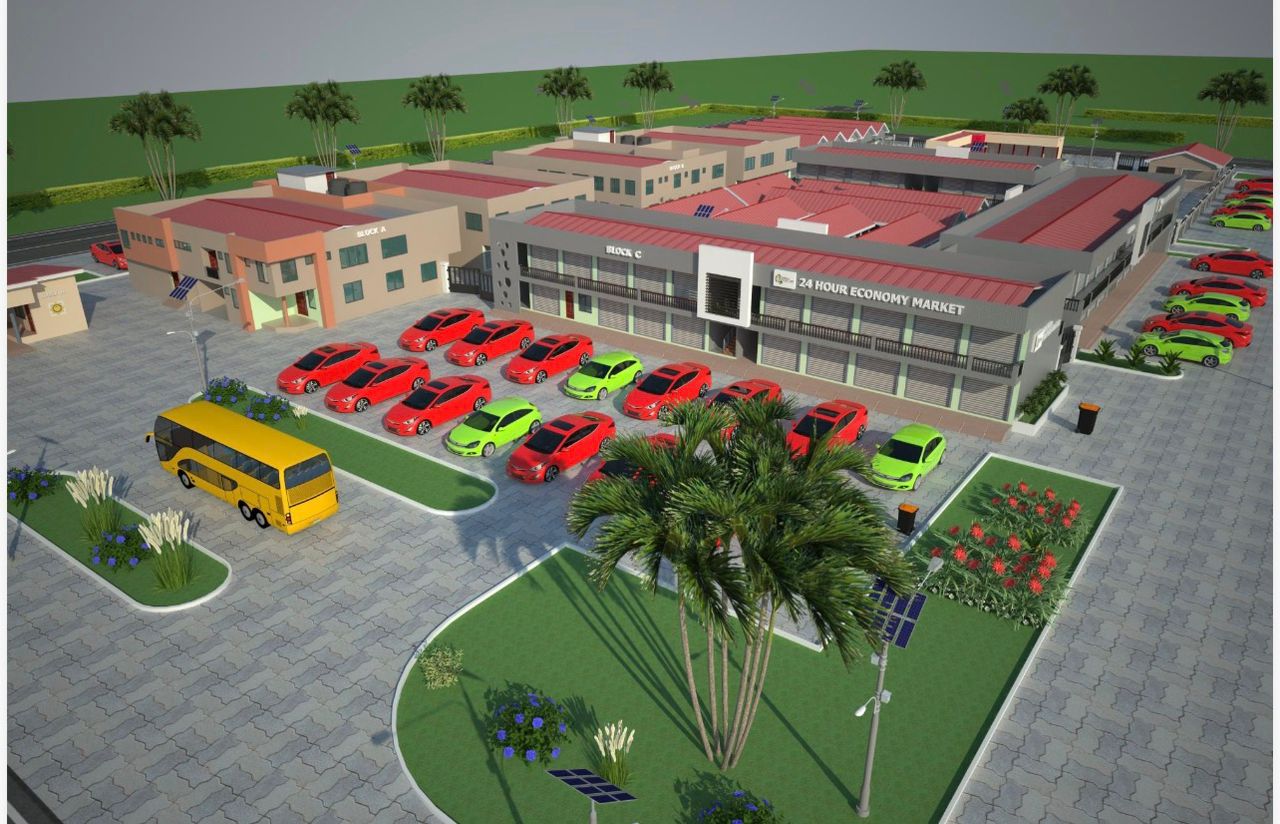
Cape Coast has two constituencies: Cape Coast South, the older and established part of the city, and Cape Coast North, the area where the city is now expanding. This is where we must start. The current debate says that because growth is moving north, the 24-hour market at Ekon should also be moved to Cape Coast North.
That sounds reasonable. But it misses the bigger point. A 24-hour market is important. It helps traders, supports daily life, and makes it easier for people to buy food and basic goods at any time. Placing it at Ekon, in Cape Coast South, is not wrong. That area is already a strong commercial centre.
So the issue is not the market itself. The real issue is this: Cape Coast is growing in one direction, but we are not planning properly for that growth. Cape Coast North is no longer a quiet or future area. It is already busy and expanding. The University of Cape Coast and the Cape Coast Technical University have brought large numbers of people into the area. Around them, places like Kwaprow, Amamoma, Abura, Ayifua, Kakumdo, Efutu, and Ankaful continue to grow.
This is where people are moving. This is where demand is increasing. This is where the city is heading. But growth alone is not enough. A place can be busy without having strong spending power. Cape Coast North is driven largely by students, workers, and small businesses.
This creates activity, but it also means spending is spread out and uneven. Any serious development must take this into account. So the question should not be whether to move a market. The question should be: What kind of development matches this level of growth, both now and in the future?
To answer that, we must think in clear steps. First, we must get the basics right. Markets across the city must work well. Kotokuraba, Anaafo, Abura, and Ekon must be completed (where uncompleted), organised, and properly managed. These are essential for everyday life.
Second, we must improve how business is organised in Cape Coast North. The Kwaprow–Amamoma–Abura–Efutu corridor is already a busy movement path, with constant traffic, student activity, and growing residential density. This makes it a natural location for structured mid-level commercial centres.
Not scattered shops, but organised spaces with supermarkets, pharmacies, banks, and services. This is where local businesses can grow in a more stable and efficient way.
Third, we must think long-term and plan ahead. Cape Coast North should be prepared for a larger, integrated commercial hub. A place where shopping, services, food, and leisure come together in one well-planned environment. This is the kind of idea behind developments like the Accra Mall, but it must be built over time, based on real demand, infrastructure, and investment. That is the real direction. Not moving a market, but building step by step towards a stronger commercial system.
We must be clear on one thing: commercial success in our cities follows movement. It follows where people travel, where transport routes meet, and where access is easy. Any future development in Cape Coast North must be planned around how people move, not just where land is available.
This does not mean markets are not important. They are. But we must understand the difference. A market solves today’s needs. A planned commercial hub prepares for tomorrow. Cape Coast North has reached a point where we must start thinking about tomorrow.
So let us move away from this narrow debate. The Ekon market can stay where it is. It serves its purpose. The real work is to make sure Cape Coast North does not grow without structure. In the end, this is not about a market. This is not a siting problem. It is a planning problem. It is about whether we are ready to plan Cape Coast as a city that is growing, or continue to treat it as one that is not.
By Jimmy Kutin.
(The writer is an award-winning media executive, historian, educator, and leadership consultant with graduate training in business, communication, education, and African Studies)
Tags
Jimmy Kutin
Cape Coast North
Cape Coast South
University of Cape Coast
Cape Coast Technical University
24-hour Economy Market
Featured News




Category
Tourism & Diaspora
Sports
News
Music
International News
Health Tips
Events
Entertainment & Arts
Editorial
Culture & Tradition
Business & Tech
Have Any Question?
If you have any questions, feel free to contact us:
031 229 5629
info@twradiogh.com