Why People Should Honor Fathers, Whether They Were Present or Not
Posted by Enoch Nyamson
6 hours ago
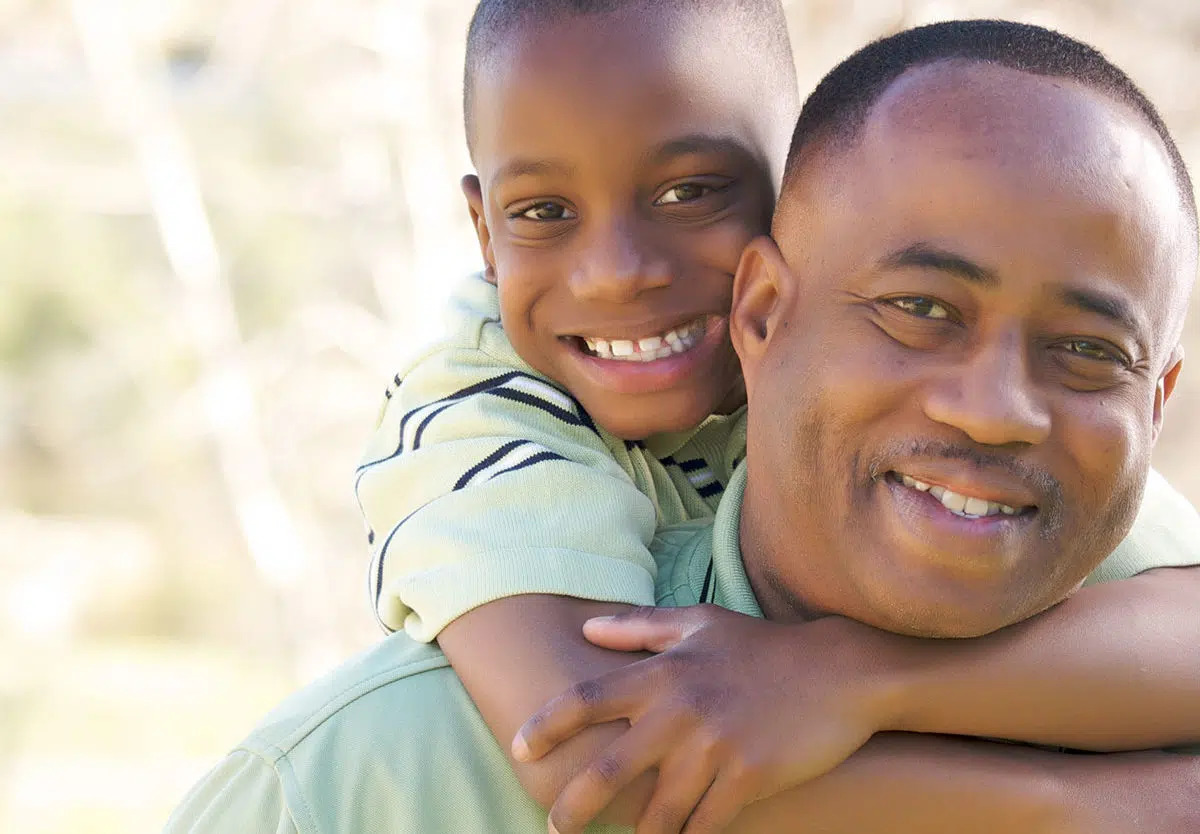
Fatherhood is often discussed in terms of responsibility, presence, and care. But beyond those expectations lies a deeper idea that is sometimes overlooked: honoring a father does not always depend on what he did or did not do. It is about understanding, maturity, and the ability to separate personal pain from respect for life itself.
Many people grow up with fathers who were present, supportive, and deeply involved. For them, honoring a father may feel natural and easy. But for others, the story is different. Some grew up with absent fathers, emotionally distant relationships, or in some cases, fathers who failed in their responsibilities. In such situations, the idea of “honor your father” can feel difficult or even unfair.
However, honoring a father does not necessarily mean approving of his actions or excusing neglect. It is more about acknowledging his role in one’s existence. Without him, life itself would not have begun. That fact alone carries weight, even when the relationship is broken or incomplete.
Choosing to honor a father can also be a personal act of healing. Holding on to anger for too long often becomes a burden that affects emotional well-being. Letting go of that weight does not erase the past, but it allows space for peace. In that sense, honor can be more about freeing yourself than celebrating the other person.
At the same time, honor does not require silence about pain. People can acknowledge hurt, set boundaries, and still choose respect in how they think or speak about their father. It is possible to say, “You failed me,” without allowing bitterness to define your entire outlook on life.
Another important perspective is that fathers, like all humans, are imperfect. Some repeat cycles they themselves grew up in. Others lack the emotional tools to be better. Understanding this does not excuse harm, but it can help people view their fathers with a more balanced lens.
Ultimately, honoring a father is less about who he was and more about who you choose to become. It is about breaking cycles of resentment and deciding not to let the past control your future. For some, that may mean rebuilding a relationship. For others, it may simply mean finding peace within themselves.
In the end, honor becomes a personal decision rooted in maturity, healing, and understanding. It is not always easy, but it can be a powerful step toward emotional freedom and inner stability.
Tags
Fatherhood
Featured News

Category
Tourism & Diaspora
Sports
News
Music
International News
Health Tips
Events
Entertainment & Arts
Editorial
Culture & Tradition
Business & Tech
Have Any Question?
If you have any questions, feel free to contact us:
031 229 5629
info@twradiogh.com