The Schools of Cape Coast: Classrooms That Shaped Ghana’s Future Leaders
Posted by TWR Publications
3 hours ago
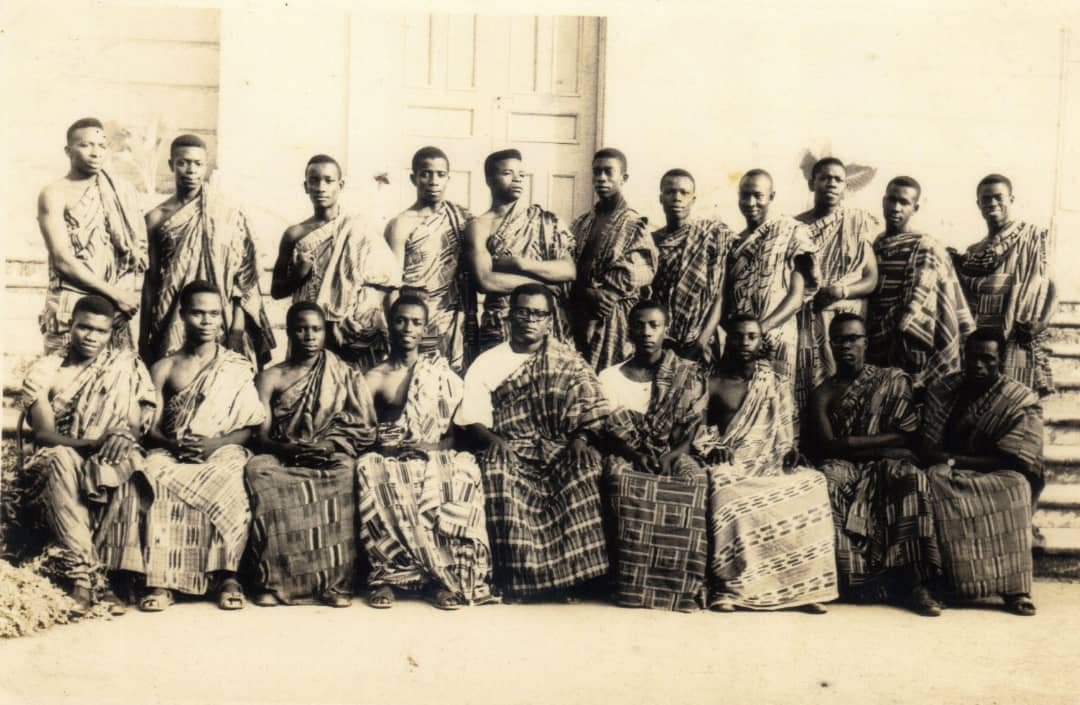
In the first article of this series, we looked at how Cape Coast became the intellectual center of the Gold Coast and helped nurture the ideas that eventually led to Ghana’s independence. A major reason for that reputation was the presence of some of the most influential schools in the country.
Among them were Mfantsipim School and Adisadel College, institutions that helped shape generations of leaders who would influence the political and intellectual life of the nation.
Founded in 1876, Mfantsipim became one of the earliest secondary schools in West Africa. Its mission was to train young Africans not only in academic subjects but also in leadership and public responsibility. Students were encouraged to think critically, debate ideas, and develop a strong sense of service to society.
A few decades later, Adisadel College was established in 1910. Located on the hills overlooking Cape Coast, the school quickly became another center of excellence in education. Like Mfantsipim, Adisadel produced graduates who went on to play important roles in law, education, administration, and national leadership.
What made these schools particularly important during the colonial period was the kind of environment they created. They brought together students from different parts of the Gold Coast and exposed them to a broad education that combined academic training with discipline, leadership, and civic awareness.
Within these classrooms and dormitories, young men began to discuss the political realities of their time. They debated colonial policies, discussed ideas about African identity, and reflected on the future of their country. Many of these students later became lawyers, teachers, writers, and clergy who helped shape public opinion across the colony. Through their work, they contributed to the growing sense that the people of the Gold Coast should have a greater voice in governing their own affairs.
Cape Coast’s reputation as an intellectual center was therefore not accidental. The presence of institutions like Mfantsipim and Adisadel meant that the town constantly produced educated Africans who were prepared to question injustice and advocate for progress.
The independence movement that eventually transformed the Gold Coast did not emerge suddenly in the 1950s. It was built slowly through decades of education, discussion, and leadership development. And many of the young minds who later contributed to that movement first learned to think critically in the classrooms of Cape Coast.
In many ways, the struggle for independence was also a story of education. And Cape Coast’s schools were among the places where that story began to unfold.
Tags
Schools of Cape Coast
Adisadel College
Mfantsipim School
Ghana’s Future Leaders
1910
Featured News



Category
Tourism & Diaspora
Sports
News
Music
International News
Entertainment & Arts
Editorial
Culture & Tradition
Business & Tech
Have Any Question?
If you have any questions, feel free to contact us:
031 229 5629
info@twradiogh.com