Nana Obokese Ampah Links Bronx Street Violence to Poverty and Education, Urges Ghanaian Leaders to Act
Posted by TWR Publications
18 hours ago
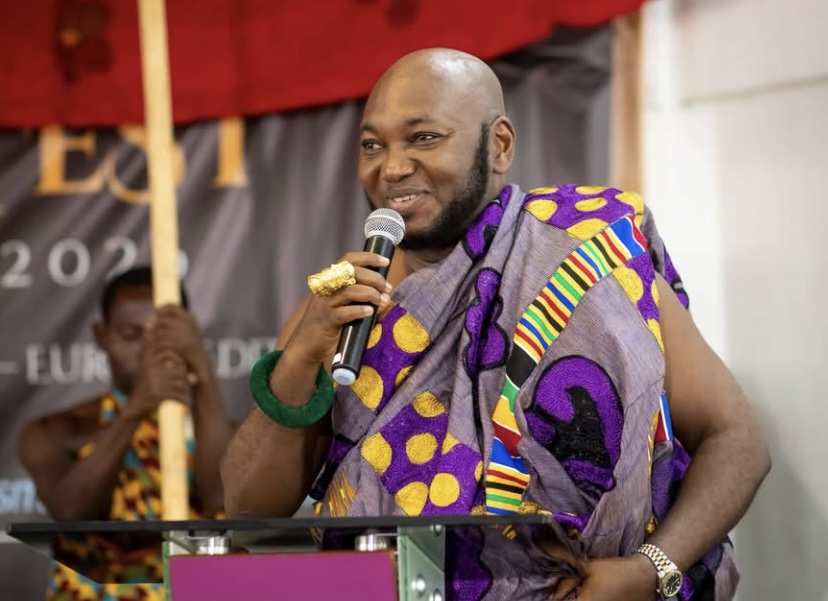
The Apagya Hen of Abura Asebu Kwamankese and founder of FANTEFEST, Nana Obokese, has called on Ghanaian leaders to address poverty, unemployment and educational challenges to prevent communities in Ghana from experiencing levels of violence similar to those witnessed in the Bronx, New York.
Nana Obokese made the remarks during an interview on the Yehyiahyia Show, hosted by Aunty Nyaniba, in a discussion titled “Beyond the Violence: Safeguarding the Future of Our Children Abroad.” The conversation focused on bullying, gun violence and gang membership within Black communities in America, following the recent case involving Javits Frimpong.
Sharing his personal experiences in the United States, Nana recounted his journey to America as a young man after completing his education at the then Institute of Professional Studies (IPS). He spent approximately eight years working as a yellow cab driver in Manhattan, Downtown New York, a job he described as demanding and particularly challenging as a Black immigrant.
He disclosed that in February 2005, while travelling to begin a night shift, he was brutally attacked and robbed by a group of teenage boys. Reflecting on the incident, Nana described the Bronx as a challenging environment where individuals must remain alert and develop a tough skin. He explained that a person's manner of walking, physical appearance and even accent could make them vulnerable to street attacks.
Nana described the Bronx as a diverse community with a significant population of African migrants, including Ghanaians, Jamaicans and other Caribbean nationals, alongside African Americans and other migrant groups. He observed that many New Yorkers regard the Bronx as a relatively affordable place to live, although he characterized parts of the borough as rebellious and troubled by persistent social challenges.
According to him, shootings during the evening, alongside visible drug use and homelessness, were among the troubling realities he encountered during his stay. He also highlighted the similarities between certain streets in the Bronx and African communities, noting that street hawking and the roasting of corn were familiar sights. He explained that many residents commute daily by train and bus to other parts of New York for work before returning home.
When asked by the host what he believed contributed to the violence in the Bronx, Nana identified poverty and educational challenges as significant factors. He argued that socioeconomic conditions, unemployment and the educational opportunities available to residents could influence the prevalence of violence in communities. He further discussed differences between the American and Ghanaian educational systems, explaining that education in the United States is administered differently across counties, unlike Ghana's more centralized system.
Nana also raised concerns about unemployment, both in Ghana and among migrant communities, noting that the lack of economic opportunities in Ghana has compelled many people to travel abroad in search of better living conditions. He additionally pointed to what he described as inadequate police presence and slow emergency response times in parts of the Bronx as factors that could worsen the situation.
Beyond his personal experiences, Nana revealed that while he was still a student, he and some colleagues established an organization known as the African Culture Union. The initiative was created to support African students who were potentially vulnerable to violence and other challenges in their environment. Nana disclosed that he served as the organization's president.
The initiative reflected his commitment to promoting African solidarity and providing support systems for young people living and studying abroad.
Nana Obokese Urges Ghanaian Leaders to Prevent Similar Challenges. Drawing lessons from his experiences in the United States, Nana Obokese urged Ghanaian leaders to take proactive steps to address the underlying causes of violence in the country. He specifically mentioned Kasoa, an area that has attracted public concern over incidents of violence, warning that communities must not be allowed to deteriorate into environments where violence becomes normalized.
He stressed the importance of addressing poverty, unemployment, educational inequalities and other socioeconomic challenges to create safer and more sustainable communities for future generations. Nana's message was ultimately a call for leadership, prevention and collective responsibility in safeguarding the future of Ghanaian children, both at home and abroad.
Tags
Nana Obokese
Abura Asebu Kwamankese
Javits Frimpong
Bronx
Black communities in America
Featured News




Category
Tourism & Diaspora
Sports
News
Music
International News
Health Tips
Events
Entertainment & Arts
Editorial
Culture & Tradition
Business & Tech
Have Any Question?
If you have any questions, feel free to contact us:
031 229 5629
info@twradiogh.com