Cape Coast: The Intellectual Capital That Helped Birth Ghana’s Independence
Posted by TWR Publications
19 hours ago
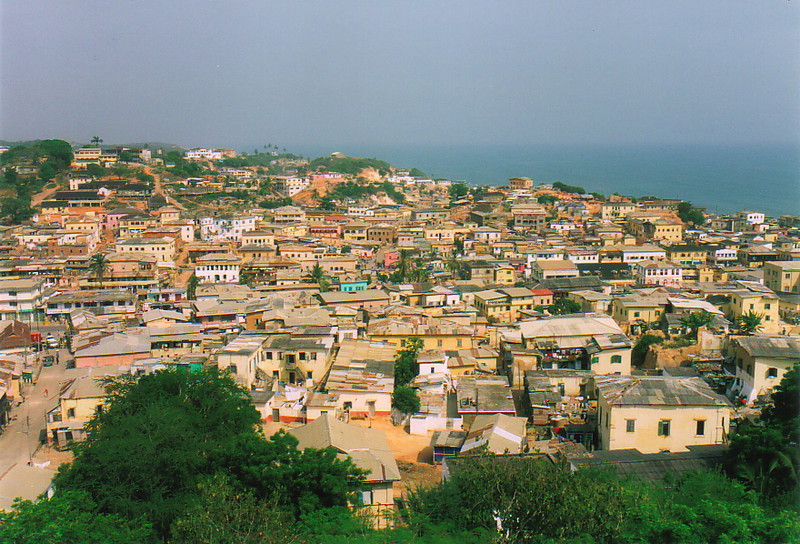
When Ghana gained independence on 6 March 1957, the world witnessed a historic moment. It was the birth of the first sub-Saharan African nation to break free from colonial rule. While many parts of the country contributed to this victory, one town had long been shaping the ideas, education, and leadership that made independence possible: Cape Coast.
Long before Accra became the capital, Cape Coast was the administrative and intellectual center of the Gold Coast. Under British colonial rule, the town served as the capital for many years. More importantly, it became a place where education and political awareness began to flourish.
Cape Coast’s influence started with schools. Missionaries and early educators established some of the first formal educational institutions in the colony. These schools trained a generation of young Africans who would later become lawyers, teachers, journalists, and political thinkers. Education in Cape Coast did more than teach literacy. It exposed students to global ideas about liberty, governance, and self-determination.
With education came debate. The town became a gathering place for intellectual discussion about colonial policies and the future of the Gold Coast. Newspapers, public meetings, and lectures created a culture where ideas about freedom and political rights could be openly discussed.
One of the clearest examples of Cape Coast’s political influence was the formation of the Aborigines’ Rights Protection Society in 1897. The organization was created by traditional leaders and educated elites to oppose the Crown Lands Bill, which would have given the colonial government control over indigenous lands.
Their protest was successful. A delegation travelled to Britain to challenge the law, and the bill was eventually withdrawn. It was one of the earliest organized political victories against colonial rule in West Africa. Cape Coast also produced influential thinkers such as J. E. Casely Hayford, whose writings and activism helped inspire early nationalist movements.
Through education, political organization, and intellectual leadership, Cape Coast played a critical role in shaping the consciousness that later fueled the independence struggle. Today, as Ghana celebrates its independence, Cape Coast stands as a reminder that freedom was not achieved overnight. It grew from decades of learning, organizing, and courageous voices willing to challenge colonial authority.
In many ways, the journey to Ghana’s independence began in the classrooms, meeting halls, and streets of Cape Coast.
Tags
6 March 1957
Cape Coast
Crown Lands Bill
J. E. Casely Hayford
Mr. Kweku Etuaful
Featured News


Category
Tourism & Diaspora
Sports
News
Music
International News
Entertainment & Arts
Editorial
Culture & Tradition
Business & Tech
Have Any Question?
If you have any questions, feel free to contact us:
031 229 5629
info@twradiogh.com