Black History Diaries: Asameni, the Akwamu Royal Who Captured Christiansborg Castle
Posted by Enoch Nyamson
9 hours ago
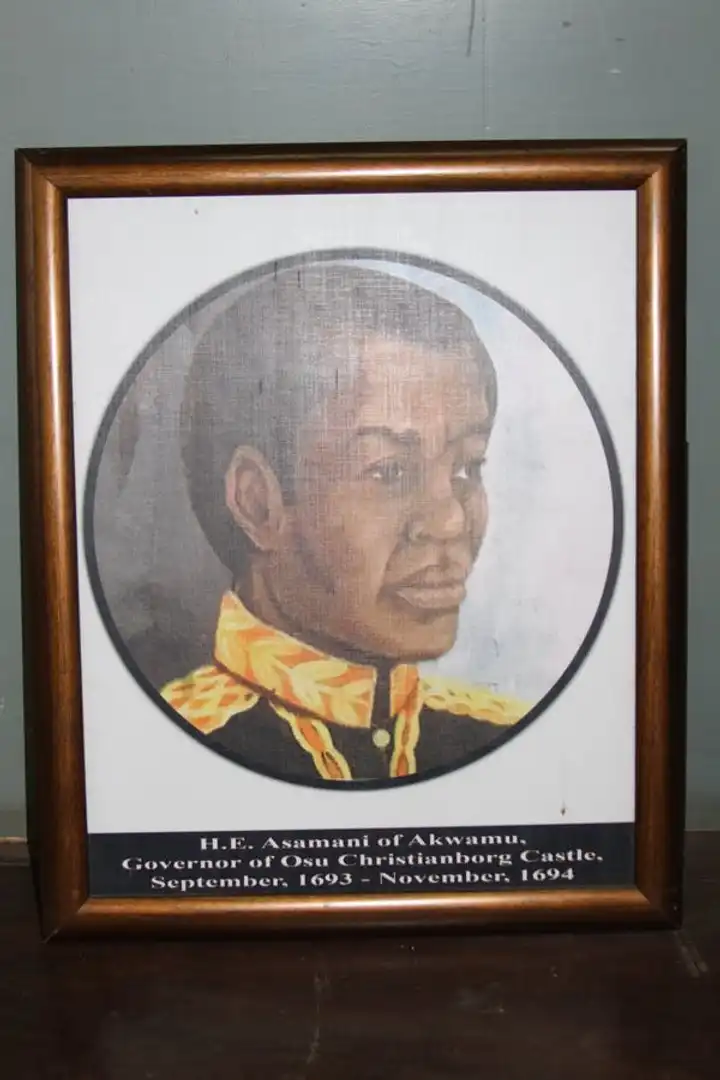
In June 1693, Asameni, a royal of the Akwamu Empire, orchestrated one of the most audacious coups in West African history: the capture of Christiansborg Castle. As Nana Samanhyia Darko II, Gyaasewahene (Chief of Staff) of the Akwamu, playfully noted, the keys are viewable only by appointment, reflecting their status as treasured royal property. A week later, a Ghanaian descendant visited Bogyawe Palace traders, and merchandise. With royal directives from Akwamuhene Ansa Sasraku II, he informed the Danes that he would escort a group of Akwamu traders to buy ammunition.
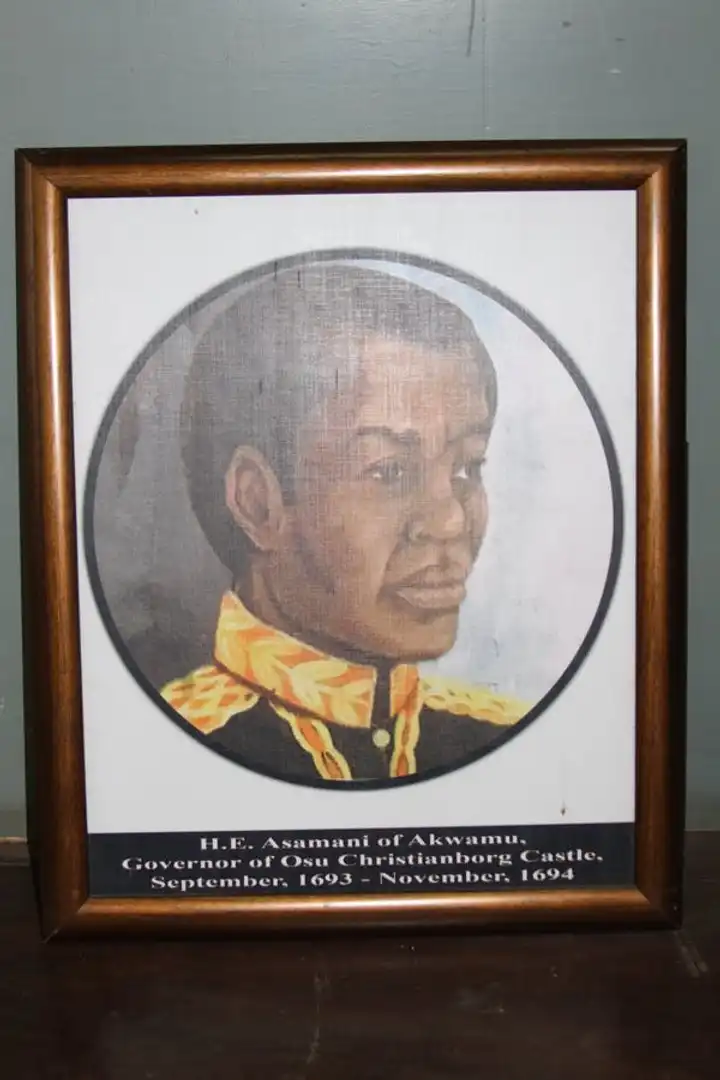
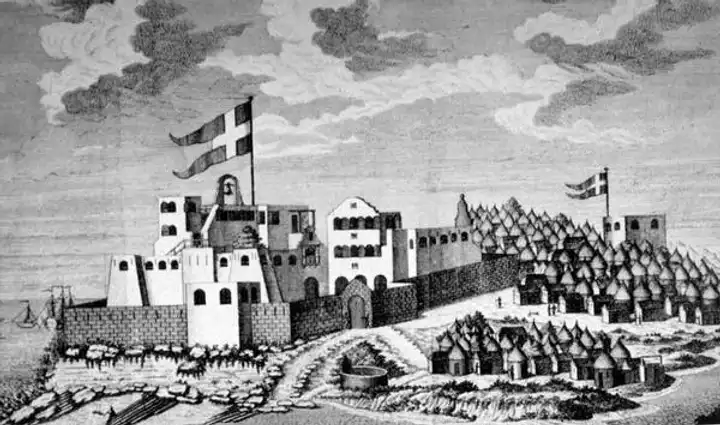
In June 1693, Asameni and his 80 men entered the castle. While testing merchandise, they concealed powder and shot under their clothes. Once inside, they launched a surprise attack. Governor Janssen narrowly escaped to nearby Fort Crevecoeur, while many Danish merchants were captured or wounded. Asameni installed himself as “Governor” of Christiansborg Castle, raising the Akwamu flag and taking control of merchandise valued at 1,400 gold marks. He invited English and Dutch captains to trade, celebrated with lavish feasts, and fired cannons in their honour.
Asameni held the castle for 18 months. Eventually, negotiations led to the return of the castle and captives to the Danes in exchange for 1,600 pieces of silver. The Akwamu occupation was not a moral objection to the slave trade; rather, it was a strategic move to control trade and protect Akwamu interests.
Legacy
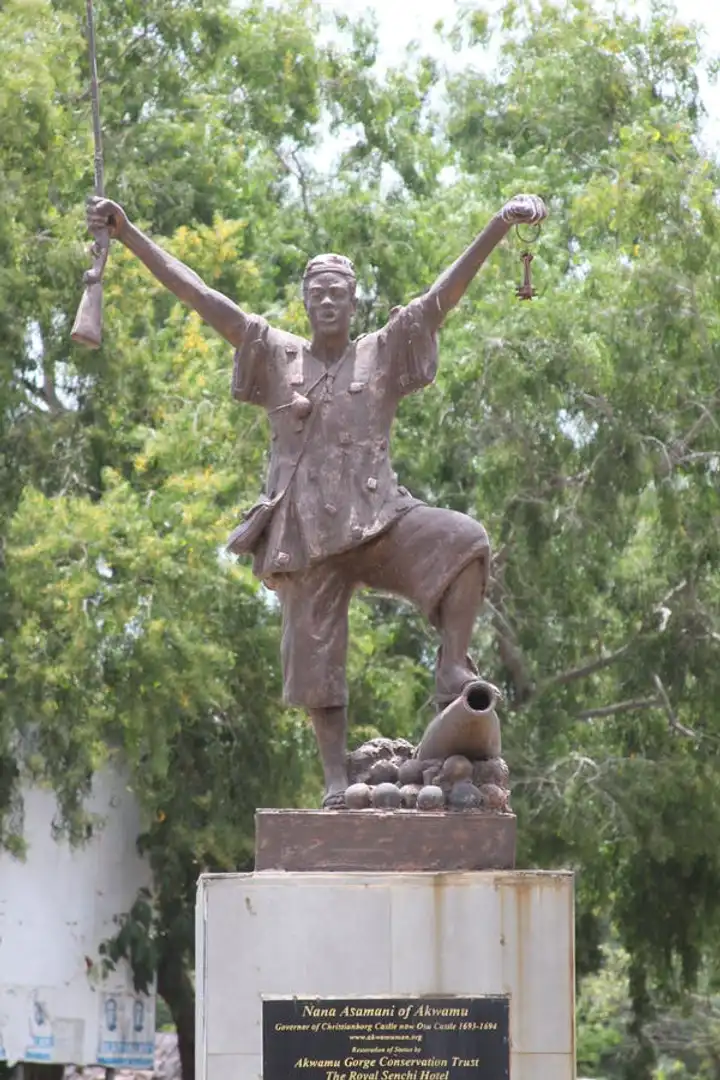
The keys to Christiansborg Castle remain at Bogyawe Palace, considered state keys and part of Akwamu royal regalia. The event is commemorated in song (Ɛdɔm nsafoa) and a bronze statue of Asameni, which depicts him in warrior attire, holding a Danish flintlock gun in one hand and the castle keys in the other, with his left foot resting on a cannon a lasting symbol of Akwamu courage, strategy, and influence over the coastal trade networks.
The Akwamu seizure of Christiansborg Castle exemplifies the complexities of African agency during the transatlantic slave trade: resistance, negotiation, and collaboration shaped the region’s history, and the castle’s keys remain a tangible reminder of African power and strategy. Even today, the Akwamu note that while the Danes were paid 600 pieces of silver to reclaim the castle, 1,000 pieces are still technically outstanding a lasting testament to their authority and legacy.
Tags
Asameni
Christiansborg Castle
Featured News





Category
Tourism & Diaspora
Sports
News
Music
International News
Entertainment & Arts
Editorial
Culture & Tradition
Business & Tech
Have Any Question?
If you have any questions, feel free to contact us:
031 229 5629
info@twradiogh.com