Azumah Nelson: The Commonwealth Games Champion Who Became Africa’s Greatest Boxer
Posted by Enoch Nyamson
13 hours ago
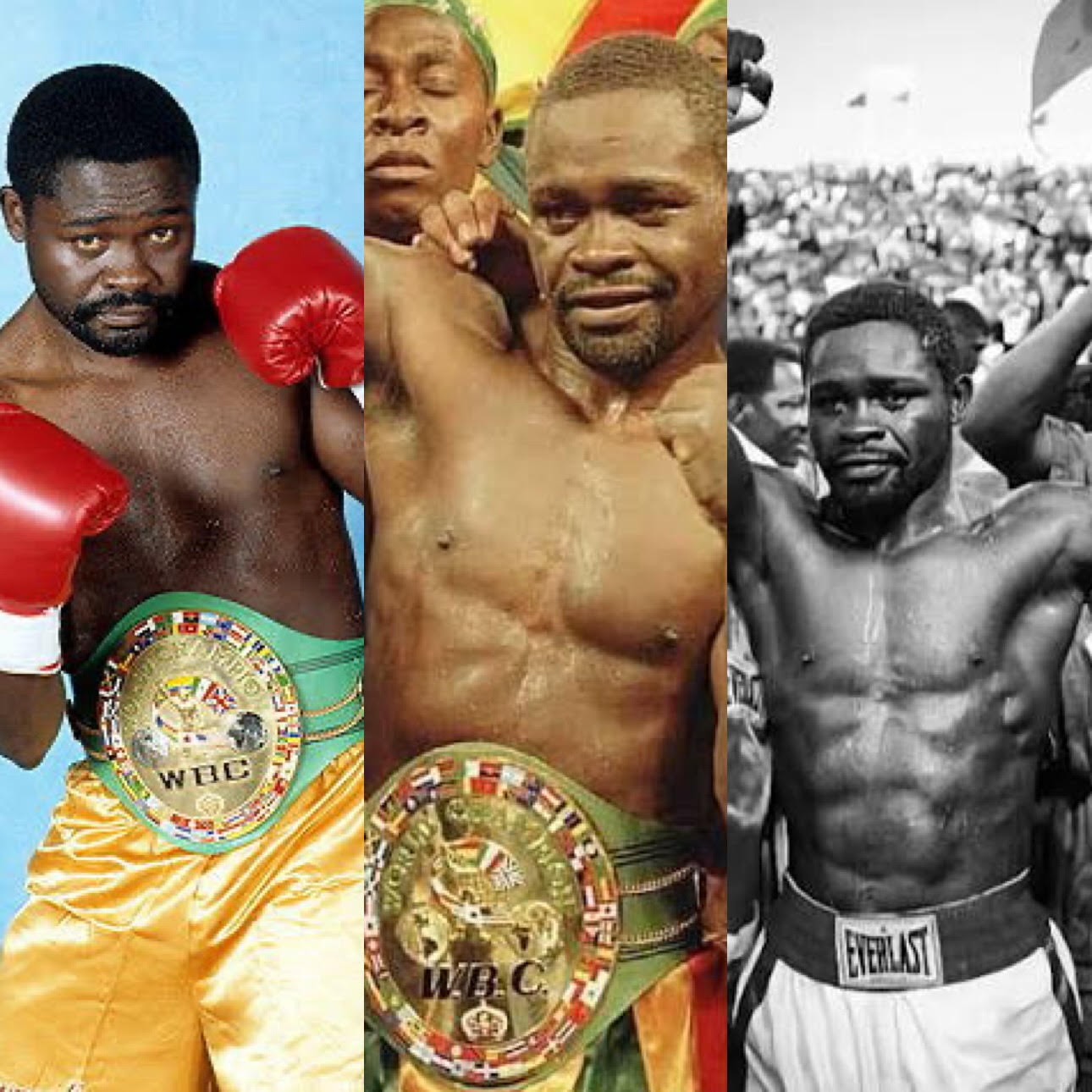
When the history of Ghanaian sports is written, few names command as much respect and admiration as Azumah Nelson. Revered across the boxing world as “The Professor,” Nelson is widely regarded as the greatest boxer Ghana has ever produced and one of the finest fighters to emerge from the African continent. His remarkable journey from the streets of Accra to the pinnacle of world boxing began with a historic triumph at the 1978 Commonwealth Games in Edmonton, Canada.
Born on July 19, 1958, in Accra, Azumah Nelson grew up in Bukom, a community renowned for producing some of Ghana’s most talented boxers. From an early age, he displayed a natural fighting spirit and determination that would later define his career. Through discipline, hard work, and countless hours of training, he developed into one of Ghana’s most promising amateur boxers.
By the late 1970s, Nelson had already established himself as a formidable force in amateur boxing. Compiling an impressive amateur record of about 50 victories against only two defeats, he earned a place in Ghana’s national boxing team. The year 1978 would become a defining moment in his career and in the history of Ghanaian sports.
At the 1978 Commonwealth Games held in Edmonton, Canada, Nelson competed in the featherweight division. The tournament featured some of the finest amateur boxers from across the Commonwealth, yet the young Ghanaian entered the competition with unwavering confidence. In the quarterfinals, he defeated Samoa’s Siaosi Poto by referee stoppage, showcasing his power and technical superiority. He followed that victory with an impressive points win over Canadian boxer Guy Boutin in the semifinals, silencing the home crowd and advancing to the final.
The gold medal bout saw Nelson face Zambia’s John Sichula, another highly talented boxer who had impressed throughout the competition. In a fiercely contested contest, Nelson displayed exceptional skill, ring intelligence, and composure. When the final bell rang, he emerged victorious on points, securing the gold medal and becoming Ghana’s sole gold medalist at the Edmonton Games.
His achievement was a source of immense national pride. At a time when international sporting success was limited, Nelson’s victory placed Ghana firmly on the Commonwealth sporting map. The 1978 Games proved especially significant for Ghanaian boxing, as the nation also won a silver medal through heavyweight boxer Joseph Adama Mensah and a bronze medal through flyweight boxer Kid Sumaila. However, it was Azumah Nelson’s gold medal performance that captured the imagination of the nation.
The Edmonton triumph was not an isolated achievement. Earlier in the same year, Nelson had won another gold medal at the All-Africa Games, confirming his status as one of the most talented amateur boxers in the world. These successes established him as Ghana’s leading boxing prospect and paved the way for an extraordinary professional career.
In 1979, Nelson turned professional and began his journey toward global boxing stardom. While he was well known in Ghana, he remained relatively unknown internationally. That changed dramatically in 1982 when he accepted a short-notice opportunity to challenge the legendary WBC Featherweight Champion Salvador Sánchez in New York. Although Nelson lost the fight in the fifteenth round, his courageous performance against one of boxing’s greatest champions earned him worldwide respect and announced his arrival on the international stage.
Two years later, Nelson achieved what many believed impossible. On December 8, 1984, he traveled to Puerto Rico to challenge the feared Wilfredo Gómez for the WBC Featherweight Championship. Against the odds and in front of a hostile crowd, Nelson produced a stunning performance, stopping Gómez in the eleventh round to become Ghana’s first world boxing champion of the modern era. Celebrations erupted across Ghana as citizens poured into the streets to celebrate one of the greatest moments in the nation’s sporting history.
Nelson’s success did not end there. He successfully defended his world title several times and later moved up in weight to capture the WBC Super Featherweight Championship. Over a professional career spanning nearly two decades, he established himself as one of boxing’s elite fighters, defeating numerous world-class opponents and earning a reputation for toughness, intelligence, and devastating punching power.
His achievements brought international recognition not only to himself but also to Ghana. He became a symbol of national pride and an inspiration to generations of young athletes. Many of Ghana’s subsequent boxing champions cite Azumah Nelson as their greatest influence and role model.
In 2004, Nelson received one of boxing’s highest honors when he was inducted into the International Boxing Hall of Fame. The recognition cemented his place among the greatest fighters in the history of the sport. Even decades after his retirement, boxing historians, analysts, and fans continue to rank him among the greatest featherweight and super-featherweight champions of all time.
Today, Azumah Nelson’s legacy extends far beyond the boxing ring. His story represents perseverance, discipline, patriotism, and excellence. From winning Commonwealth Games gold in Edmonton in 1978 to conquering the professional boxing world, Nelson demonstrated what can be achieved through dedication and belief.
For many Ghanaians, the image of Azumah Nelson standing proudly on the podium with a Commonwealth Games gold medal around his neck remains one of the most iconic moments in the nation’s sporting history. That victory was more than a medal; it was the beginning of a journey that transformed a talented young boxer from Bukom into a global sporting legend and forever secured his place as one of Ghana’s greatest heroes.
Tags
Azumah Nelson
Commonwealth Games
Featured News

8 hours ago
Category
Tourism & Diaspora
Sports
News
Music
International News
Health Tips
Events
Entertainment & Arts
Editorial
Culture & Tradition
Business & Tech
Have Any Question?
If you have any questions, feel free to contact us:
031 229 5629
info@twradiogh.com