Mr. Kweku Etuaful writes: Cape Coast; The Cradle of Political Thought in the Gold Coast
Posted by Enoch Nyamson
7 hours ago
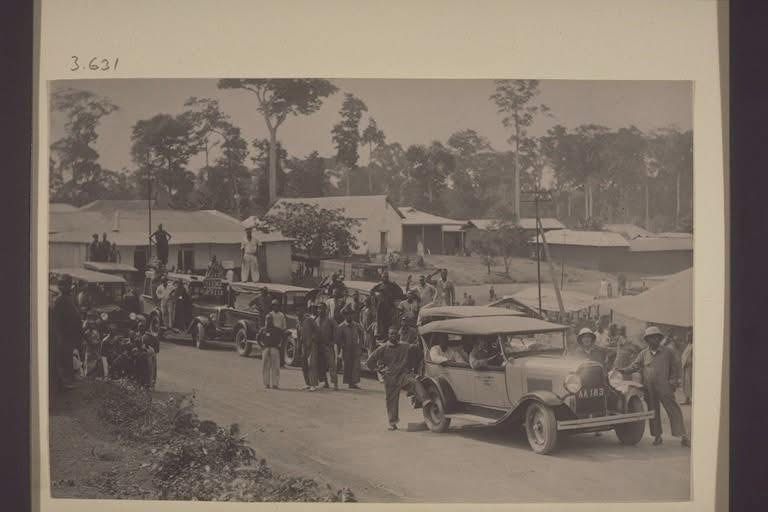
Over the past several articles, we have explored how Cape Coast helped shape the early intellectual and political awakening of the Gold Coast. From the influence of schools such as Mfantsipim School and Adisadel College, to the political leadership of figures like J. E. Casely Hayford, the town steadily built a reputation as a center of ideas and leadership.
By the early twentieth century, Cape Coast had become more than just an important coastal town. It had become a meeting place for intellectual exchange and political discussion.
Lawyers, teachers, journalists, clergy, and traditional leaders often gathered to debate issues affecting the colony. Newspapers circulated widely, carrying opinions and arguments about governance, rights, and the future of the Gold Coast. These conversations helped shape a growing awareness that Africans should play a greater role in the governance of their own land.
Cape Coast’s influence was strengthened by its unique position. As one of the earliest administrative centers of the British colony, the town had long been exposed to Western education, legal systems, and global political ideas. This exposure allowed many educated Africans to compare colonial rule with emerging ideas about democracy and self-governance elsewhere in the world.
These discussions gradually nurtured a new political consciousness.
The educated elite began to advocate for reforms, representation, and respect for African institutions. Organizations such as the Aborigines’ Rights Protection Society demonstrated that Africans could organize themselves and challenge colonial policies through legal and political means.
While independence was still decades away, the intellectual foundation for that struggle was already being laid.
In many ways, Cape Coast became the cradle of political thought in the Gold Coast. The town’s schools educated leaders, its newspapers spread ideas, and its public discussions nurtured a growing belief in African capability and self-determination.
The independence movement that would later transform the Gold Coast did not begin suddenly. It grew from decades of ideas, debates, and organized action.
And many of those ideas first found their voice in Cape Coast.
Source: Facebook, Mr. Kweku Etuaful
Tags
GhanaMonth
CapeCoast
Featured News


Category
Tourism & Diaspora
Sports
News
Music
International News
Entertainment & Arts
Editorial
Culture & Tradition
Business & Tech
Have Any Question?
If you have any questions, feel free to contact us:
031 229 5629
info@twradiogh.com