J. E. Casely Hayford: The Cape Coast Visionary Who Challenged Colonial Rule
Posted by TWR Publications
11 hours ago
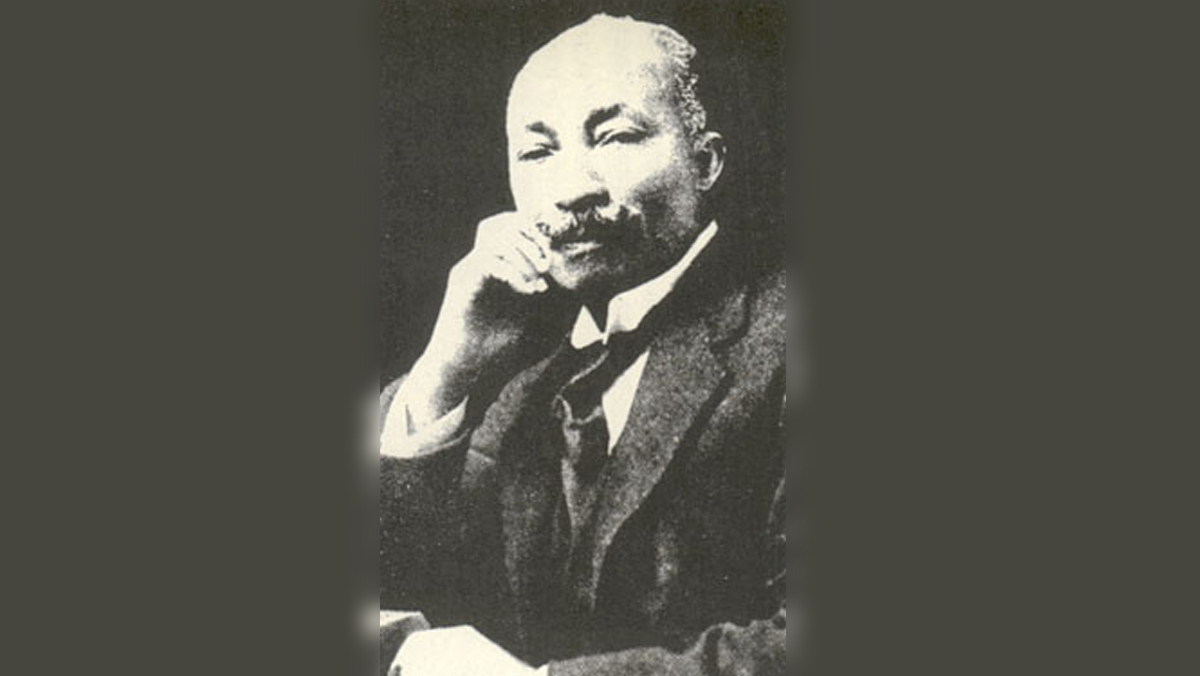
In the earlier articles of this series, I explored how Cape Coast became the intellectual center of the Gold Coast. We looked at the role of schools such as Mfantsipim School and Adisadel College, and how education produced a generation of thinkers who began to question colonial authority.
Among those thinkers, one man stands out as a powerful voice of early nationalism: J. E. Casely Hayford. Born in Cape Coast in 1866, Casely Hayford grew up at a time when the Gold Coast was firmly under British colonial administration. Yet from an early age, he showed an extraordinary intellect and curiosity about politics, culture, and law.
He was educated at Mfantsipim, one of the leading schools in the colony. The education he received there exposed him to literature, law, philosophy, and political ideas that were circulating across the world at the time. But Casely Hayford did not simply absorb knowledge. He used it as a tool to challenge the structures of colonial rule.
After further studies abroad, he returned to the Gold Coast as a lawyer. Through the legal profession, he began to confront some of the injustices that Africans faced under colonial administration. He understood that the struggle for political rights would require both intellectual arguments and organized resistance.
Casely Hayford was also a gifted writer. Through his articles, speeches, and books, he argued strongly for African dignity, cultural identity, and political participation. One of his most influential works, Ethiopia Unbound, published in 1911, became one of the earliest African novels to explore the question of African self-determination.
At a time when many colonial authorities believed Africans were incapable of governing themselves, Casely Hayford boldly argued the opposite. He believed that Africans possessed rich traditions, strong political systems, and the intellectual capacity to manage their own affairs.
His ideas spread widely through newspapers, lectures, and political discussions across the colony. Casely Hayford also played a central role in political organization. He became closely associated with the Aborigines’ Rights Protection Society, one of the earliest political movements formed to resist colonial policies.
The organization successfully opposed the Crown Lands Bill, which threatened to place indigenous lands under British control. Their victory demonstrated that Africans could organize politically and influence colonial policy. For many historians, Casely Hayford represents one of the earliest intellectual architects of Ghana’s nationalist movement. His writings, legal work, and political leadership helped inspire future generations of leaders who would later carry the independence struggle forward.
His life also reflects something important about Cape Coast itself. The town did not only produce educated individuals. It produced thinkers who were willing to speak boldly about justice, identity, and self-governance. Casely Hayford’s voice helped shape the political awakening of the Gold Coast. And through voices like his, the idea of freedom continued to grow stronger.
Tags
J. E. Casely Hayford
Mfantsipim School
Adisadel College
Featured News



12 hours ago
12 hours ago
Category
Tourism & Diaspora
Sports
News
Music
International News
Entertainment & Arts
Editorial
Culture & Tradition
Business & Tech
Have Any Question?
If you have any questions, feel free to contact us:
031 229 5629
info@twradiogh.com