Reparatory Justice Resolution: A Strategic Opportunity for Ghana and Africa?
Posted by TWR Publications
11 hours ago
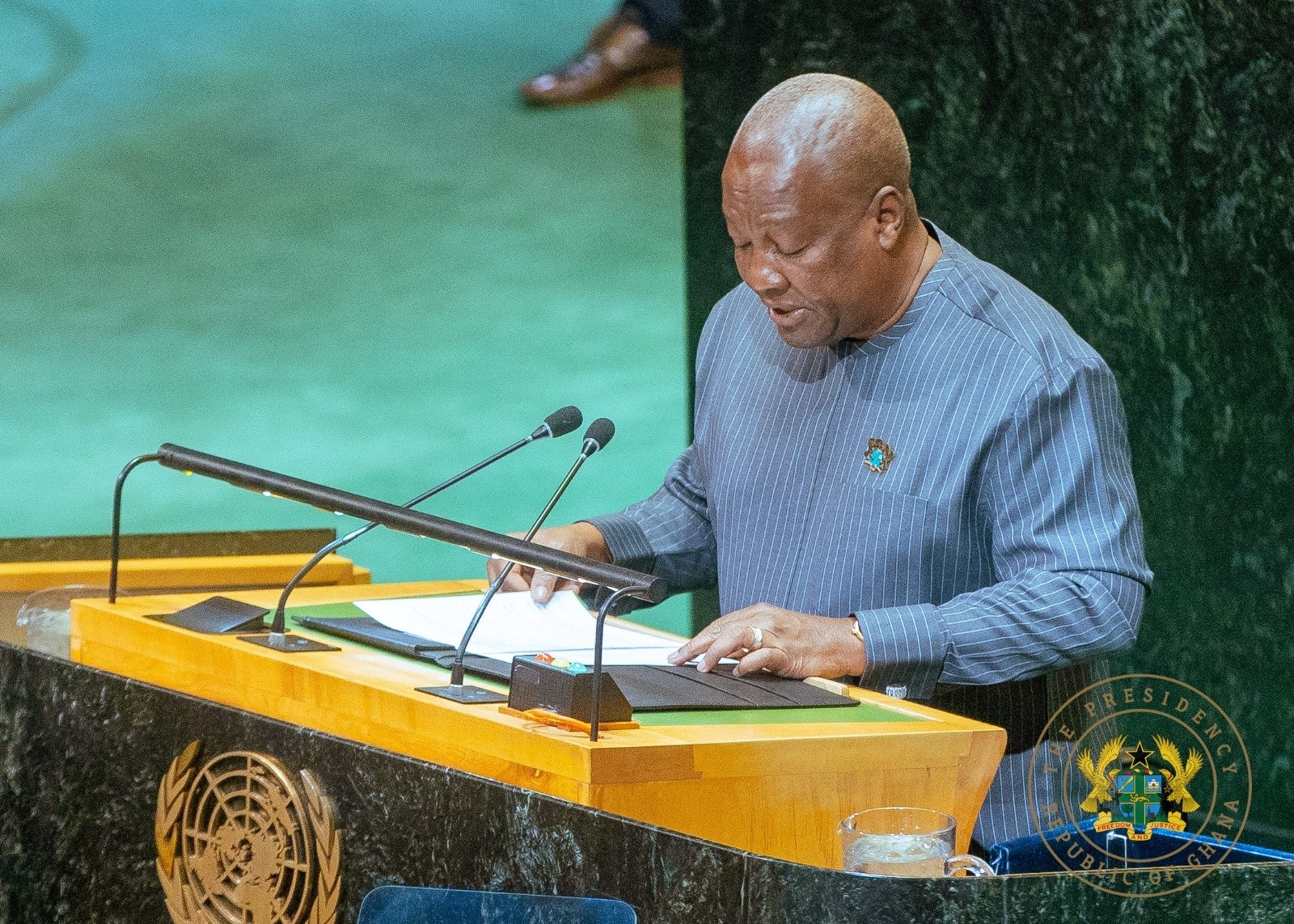
The United Nations General Assembly has passed a landmark reparatory justice resolution, and for Ghana and Africa, it could mark the beginning of something much bigger than symbolism.
Adopted with overwhelming global support, the resolution, championed by John Dramani Mahama in his role as the African Union Champion for Reparations, formally recognizes the transatlantic trafficking of enslaved Africans and racialised chattel enslavement as the gravest crime against humanity. While the declaration carries deep moral weight, its true significance lies in how African nations choose to act on it.
For Ghana and the broader continent, this resolution could open doors to long-awaited economic justice. Centuries of exploitation through slavery and colonial systems drained Africa of its human and material resources, leaving enduring structural inequalities. With this new global acknowledgment, African states now have a stronger foundation to push for financial reparations, development partnerships, and investments aimed at addressing historical imbalances.
Beyond economics, the resolution has the potential to strengthen Africa’s influence on the global stage. Acting through the African Union, countries can leverage this unified position to negotiate more assertively in international forums. A coordinated continental approach would not only amplify Africa’s voice but also reshape global narratives around justice, equity, and historical accountability.
Equally important is the opportunity to reconnect with the African diaspora. For countries like Ghana, which have already positioned themselves as gateways to the diaspora through initiatives such as heritage tourism and cultural exchange, this resolution provides renewed momentum. It offers a platform to deepen ties, encourage investment, and foster a shared sense of identity among people of African descent worldwide.
At its core, the resolution also serves as a tool for restoring historical truth and dignity. For generations, the full scale and impact of the transatlantic slave trade have been underrepresented or distorted. This formal recognition by the international community validates the lived experiences and historical realities of millions, creating space for education, remembrance, and healing.
However, the real power of this resolution lies not in its passage, but in its implementation. Without clear policies, strategic planning, and sustained political will, its impact risks being limited to rhetoric. African governments must now move beyond celebration and begin the hard work of translating this global consensus into tangible outcomes.
This includes developing unified frameworks for reparations, engaging international partners, strengthening institutions, and ensuring that the benefits of any reparatory measures reach ordinary citizens. Civil society, academia, and the private sector must also play active roles in shaping and sustaining this agenda.
For Ghana and Africa, the path ahead is both promising and demanding. The world has taken a significant step in acknowledging the injustices of the past. The next step—arguably the most critical—belongs to Africa itself. If approached with unity, clarity, and purpose, this moment could mark the beginning of a new chapter, one defined not just by remembrance, but by justice, restoration, and transformation.
Tags
Reparatory Justice Resolution
John Dramani Mahama
Featured News

Category
Tourism & Diaspora
Sports
News
Music
International News
Events
Entertainment & Arts
Editorial
Culture & Tradition
Business & Tech
Have Any Question?
If you have any questions, feel free to contact us:
031 229 5629
info@twradiogh.com