Education and Leadership: How Cape Coast’s Classrooms Prepared a Nation — Mr. Kweku Efuaful Breaks It Down
Posted by Enoch Nyamson
7 hours ago
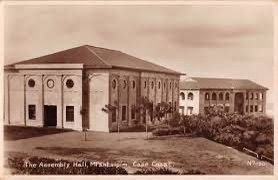
In the previous articles in this series, we have explored the individuals, institutions, and movements that shaped Cape Coast’s contribution to Ghana’s independence. At the center of many of these stories is one powerful force: education.
Cape Coast became one of the earliest educational hubs in the Gold Coast. Institutions such as Mfantsipim School trained generations of young Africans who would later influence the political, intellectual, and professional life of the country.
These schools did more than teach academic subjects. They cultivated leadership, discipline, debate, and civic awareness. Students were encouraged to think critically about society and their responsibilities as future leaders.
Many graduates went on to become lawyers, teachers, journalists, clergy, and administrators. Through their work, they spread education and political awareness across the Gold Coast.
In towns and villages throughout the colony, teachers trained in Cape Coast schools opened classrooms that expanded access to learning. Lawyers used their legal knowledge to challenge colonial policies. Writers and journalists used newspapers to raise public awareness about political issues.
This growing network of educated Africans helped nurture a new political consciousness.
The independence movement that eventually transformed the Gold Coast was therefore not only driven by political leaders. It was also shaped by educators and professionals whose ideas influenced public thinking.
Cape Coast’s classrooms quietly prepared a generation that would question colonial authority and imagine a different future for their country.
And from those classrooms emerged many of the voices that helped guide the nation toward independence.
Source: Mr. Kweku Etuaful, Facebook
Tags
TW Radio 88.9
GhanaMonth
CapeCoast
VisitCapeCoast
HeritageMatters
Featured News

Category
Tourism & Diaspora
Sports
News
Music
International News
Events
Entertainment & Arts
Editorial
Culture & Tradition
Business & Tech
Have Any Question?
If you have any questions, feel free to contact us:
031 229 5629
info@twradiogh.com