Cape Coast: The Cradle of Ghana’s Independence Struggle
Posted by TWR Publications
7 months ago
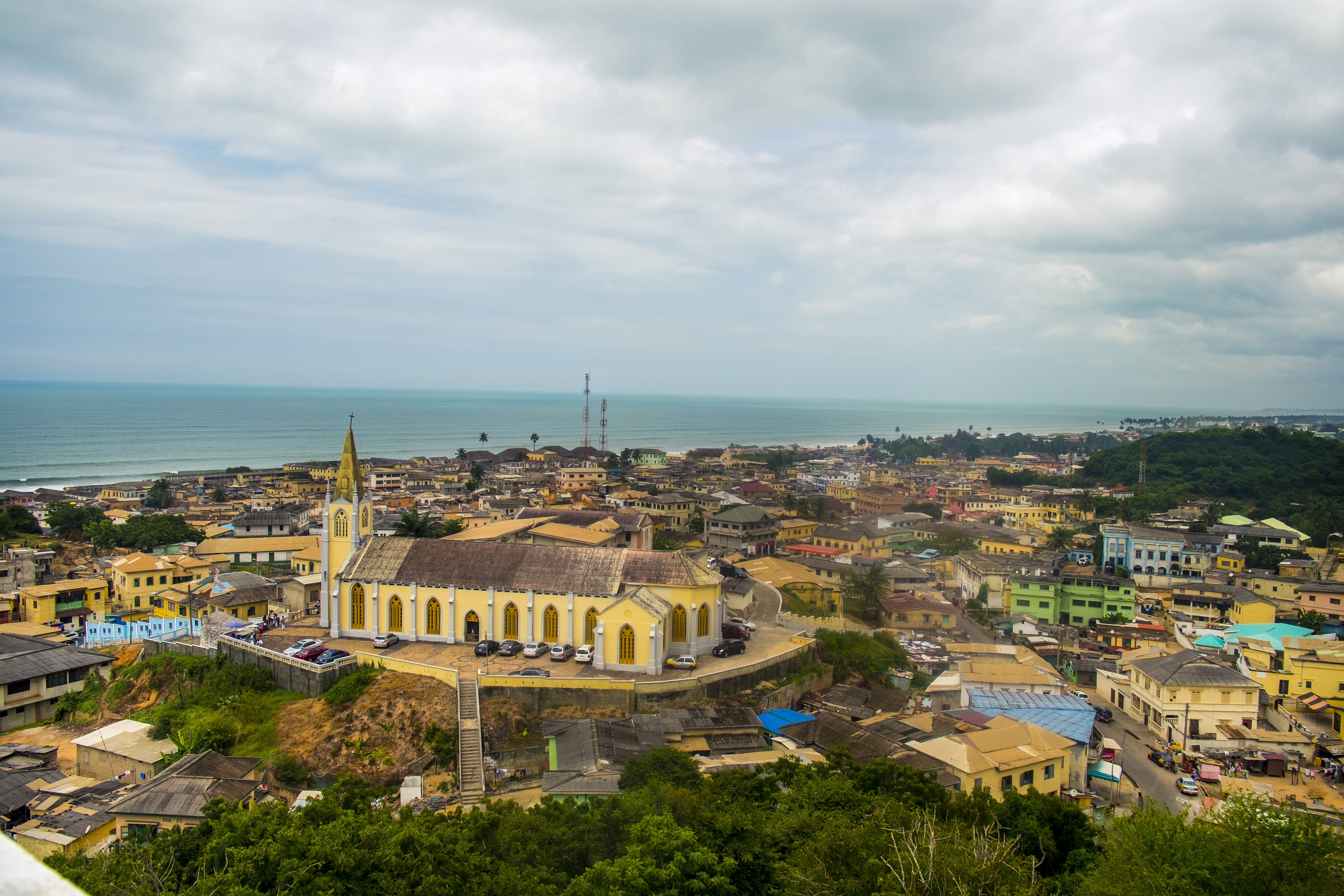
When Ghana made history on March 6, 1957, as the first sub-Saharan African nation to gain independence, the story of that triumph could not be told without Cape Coast. The ancient city, long celebrated as a seat of education and culture, played a central role in shaping the political and intellectual foundations that fueled the independence movement.
Cape Coast emerged in the late 19th and early 20th centuries as the intellectual heartbeat of the Gold Coast. With pioneering schools such as Mfantsipim, Wesley Girls’ High School, Adisadel College, and St. Augustine’s College, the city nurtured generations of leaders, professionals, and thinkers.
These institutions produced some of the finest nationalist figures and gave rise to ideas of freedom, equality, and Pan-Africanism. Many of Ghana’s leading politicians, teachers, and journalists either studied in Cape Coast or were influenced by its vibrant educational and intellectual environment.
Cape Coast was also the home of the Aborigines’ Rights Protection Society (ARPS), formed in 1897 under the leadership of John Mensah Sarbah and J.E. Casely Hayford. The ARPS became one of the first organized political movements in Africa, successfully resisting the Crown Lands Bill and defending the rights of local people against colonial exploitation. This pioneering activism sowed the seeds of African self-determination and inspired future generations of nationalists.
From Cape Coast emerged towering figures like J.E. Casely Hayford, one of the foremost advocates of African nationalism and an early Pan-Africanist. Later, Dr. Kwame Nkrumah, though from Nkroful in the Western Region, built strong ties with Cape Coast while teaching at schools in the city. It was here that Nkrumah began mobilizing students, teachers, workers, and market women, laying the groundwork for the grassroots support that powered the Convention People’s Party (CPP).
Cape Coast was also a hub for the nationalist press. Locally produced newspapers and pamphlets carried the voices of activists and reformists, challenging colonial rule and rallying public opinion for independence.
In the years leading to independence, Cape Coast became a stage for fiery political rallies and community mobilization. The city’s markets, schools, and churches were spaces where the call for self-rule resonated. From intellectual debates to grassroots activism, Cape Coast provided the human capital and the social energy that fed into the national struggle.
Today, Cape Coast is remembered not only for its castles and painful association with the trans-Atlantic slave trade but also for its proud contribution to Ghana’s political freedom. It was the city where the nation’s nationalist consciousness first took shape, where leaders were groomed, and where the masses were mobilized. As Ghana continues to reflect on its journey of nationhood, Cape Coast stands tall as the cradle of ideas, leadership, and movements that made independence possible.
Tags
Cape Coast
Featured News

6 hours ago
Category
Tourism & Diaspora
Sports
News
Music
International News
Events
Entertainment & Arts
Editorial
Culture & Tradition
Business & Tech
Have Any Question?
If you have any questions, feel free to contact us:
031 229 5629
info@twradiogh.com