2026 Budget: Prudence remains essential, Ghana’s fiscal situation stays fragile – Professor Nsafoah
Posted by TWR Publications
3 weeks ago
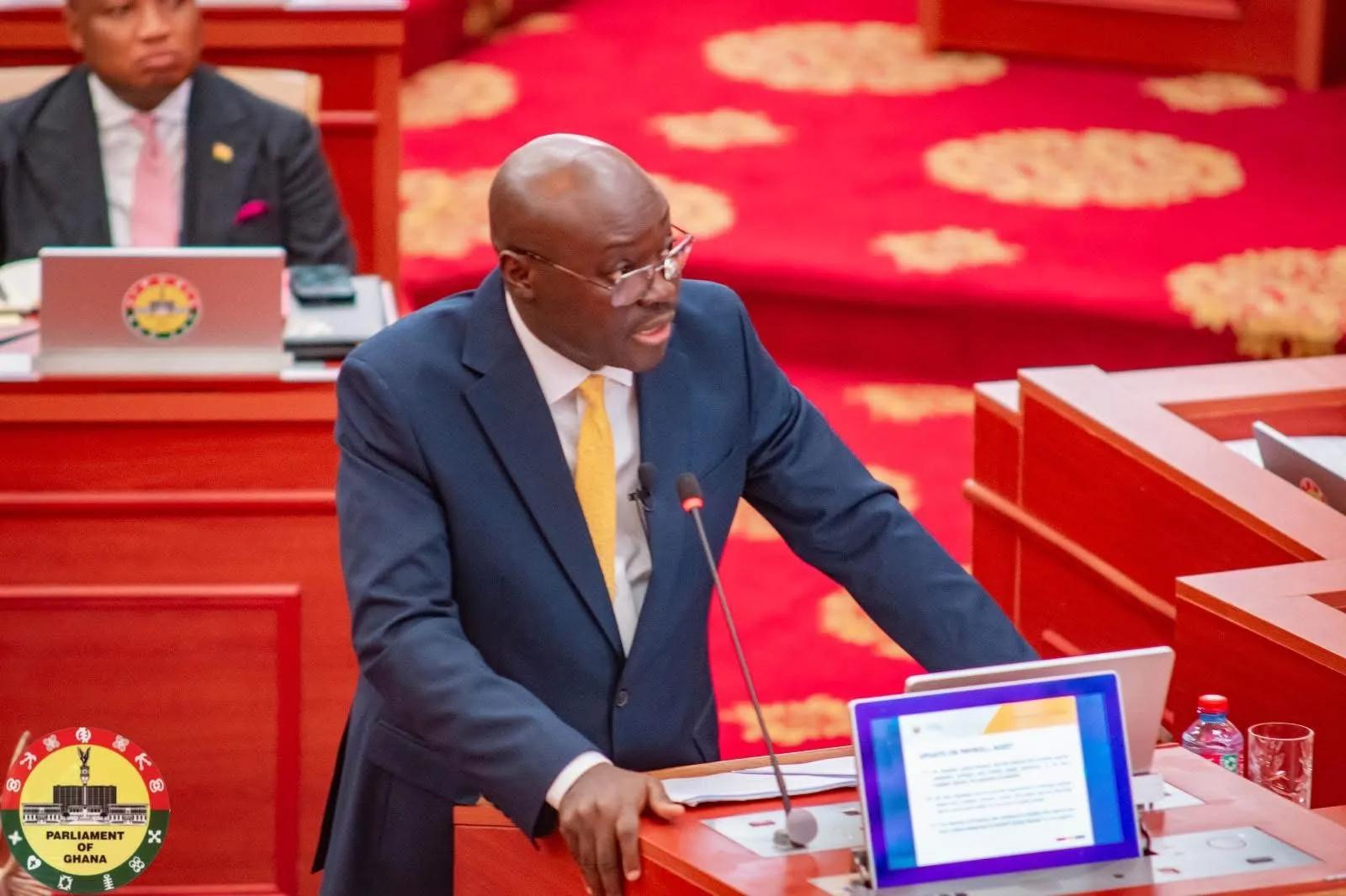
Ahead of the 2026 budget presentation by the Finance Minister, Dr Cassiel Ato Forson, an Assistant Professor of Economics at Niagara University, NY, Dennis Nsafoah, has said that prudence remains essential. Ghana’s fiscal situation stays fragile.
The Minister of Finance, Dr Cassiel Ato Forson, will be presenting the 2026 budget statement in parliament today, Thursday, November 13. Ahead of the presentation of the 2026 Budget, Finance Minister Dr Cassiel Ato Forson has engaged traders at Takoradi’s Market Circle as part of his stakeholder consultations.
Dr. Forson described the encounter with the traders as the highlight of his visit to the Western Region, noting that the conversations were both humbling and inspiring. Professor Nsafoah said that the 2026 Budget must maintain public debt stability, prevent waste, and increase domestic revenue — especially with the International Monetary Fund (IMF) programme still in progress.
There’s also a hidden risk that few discuss gold dependence. Gold now makes up 62% of Ghana’s total export earnings — roughly USD 11.2 billion out of USD 17.99 billion in 2025, he said. He noted that the Bank of Ghana’s Domestic Gold Purchase Programme has strengthened reserves, holding 36 tonnes of gold worth USD 3.17 billion as of August 2025.
Gold has been a boon — supporting the cedi, boosting reserves, and driving growth. “But it’s also a potential danger. The last time gold prices hit their peak in 2011, they plummeted by nearly half. within four years. With gold now trading above USD 4,000 per ounce, history could repeat itself if global interest rates remain high or geopolitical tensions ease,” he said in a statement.
Prof Nsafoah said that the lesson is clear: Ghana must use this window of stability to diversify before success in gold turns into vulnerability. Expanding agriculture value chains, reviving manufacturing, and supporting digital innovation can cushion the economy when global commodity winds shift.
This is an exciting time for the Ghanaian economy. The country has achieved the difficult task — restoring discipline and credibility. What’s more crucial now is turning stability into shared prosperity. If the 2026 Budget combines prudence with vision, it could signal the start of Ghana’s next great economic chapter — one focused not on crisis management, but on confident, inclusive, and sustainable growth.
When the finance minister presents the 2026 Budget on Thursday, November 13, 2025, all eyes will be on two key questions. First, whether there is convincing evidence that Ghana’s economy has truly turned the corner after three tough years. Second, whether the government will stick to a cautious, conservative approach or take a bold new direction toward transformational growth.
After years of turbulence — runaway inflation, currency depreciation, and a debt crisis that forced Ghana into an IMF Extended Credit Facility program in 2023 — the numbers now tell a far brighter story.
- Public debt has dropped sharply from 93.3% of GDP in 2022 to 44.9% by mid-2025.
- Inflation has plunged from 54.1% in 2022 to just 8% in October 2025.
- GDP growth doubled to 6.3% in the second quarter of 2025.
- The cedi has gained 25.6% this year, reversing a 30% slide in 2022.
- Foreign reserves now cover 4.5 months of imports, up from less than one month in 2022.
For once, optimism is not misplaced. Rating agencies like S&P have upgraded Ghana’s outlook, confirming that the country has regained a measure of financial credibility. The 2026 Budget will reveal whether government is ready to move beyond stabilization. After all, macroeconomic stability is not an end in itself — it is the springboard to inclusive growth, job creation, and structural transformation.
Ghana’s capital investment tells a sobering story. In the first half of 2025, government spent GHS 17 billion on infrastructure — just 1.4% of GDP, far below what is needed to sustain growth and crowd in private investment. Without a strategic shift toward productive spending in sectors like manufacturing, green energy, and technology, the economy risks settling into a fragile equilibrium — stable, but stagnant.
Yet, prudence remains essential. Ghana’s fiscal situation stays fragile. The 2026 Budget must maintain public debt stability, prevent waste, and increase domestic revenue — especially with the IMF program still in progress. There’s also a hidden risk that few discuss gold dependence. Gold now makes up 62% of Ghana’s total export earnings — roughly USD 11.2 billion out of USD 17.99 billion in 2025.
The Bank of Ghana’s Domestic Gold Purchase Program has strengthened reserves, holding 36 tonnes of gold worth USD 3.17 billion as of August 2025. Gold has been a boon — supporting the cedi, boosting reserves, and driving growth. But it’s also a potential danger. The last time gold prices hit their peak in 2011, they plummeted by nearly half. within four years.
With gold now trading above USD 4,000 per ounce, history could repeat itself if global interest rates remain high or geopolitical tensions ease. The lesson is clear: Ghana must use this window of stability to diversify before success in gold turns into vulnerability. Expanding agriculture value chains, reviving manufacturing, and supporting digital innovation can cushion the economy when global commodity winds shift.
This is an exciting time for the Ghanaian economy. The country has achieved the difficult task — restoring discipline and credibility. What’s more crucial now is turning stability into shared prosperity. If the 2026 Budget combines prudence with vision, it could signal the start of Ghana’s next great economic chapter — one focused not on crisis management, but on confident, inclusive, and sustainable growth.
Tags
2026 budget presentation
Finance Minister
Dr Cassiel Ato Forson
Dennis Nsafoah
Featured News


Category
Tourism & Diaspora
Sports
News
Music
Entertainment & Arts
Culture & Tradition
Business & Tech
Have Any Question?
If you have any questions, feel free to contact us:
031 229 5629
info@twradiogh.com